
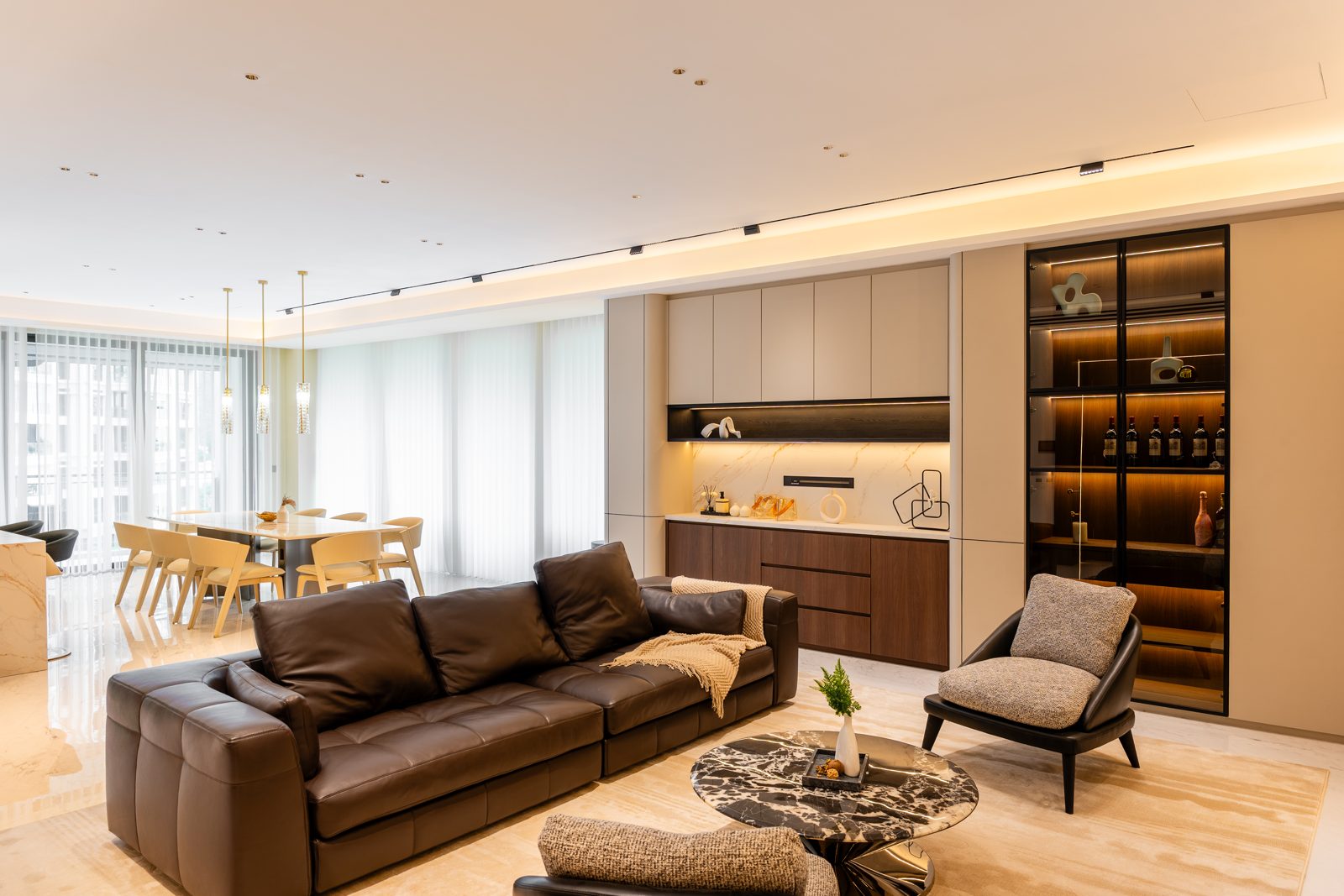
Interior design cost in Malaysia typically runs from RM15,000 to RM70,000+ in design fees, while a full renovation ranges from roughly RM80,000 for a compact condo to RM1.8 million and beyond for a luxury bungalow.
Where your project lands inside that span depends on four things: property type, property size, the scope of work, and the level of finish. Those four factors move the renovation cost far more than any rate card an interior designer will show you.
Guides to interior design cost Malaysia quote everything from a RM20,000 refresh to a seven-figure rebuild, and both are real. This guide breaks the numbers down the way Malaysian homeowners actually meet them: the design fee, the construction beneath it, the hidden costs that surface mid-build, and the points where professional guidance pays for itself.
Every figure here is a published market range rather than a quotation — read it as a map, not a price list. Interior design costs also shift with the year’s material and labour prices, so treat the 2026 bands as living numbers.
Key takeaways
- Design fees: RM15,000–RM70,000+ for most homes (RM3–RM8 per sq ft design-only)
- Most full condo renovations: RM120,000–RM380,000; bungalows RM250,000–RM1.8M+
- Rule of thumb: RM100–RM450+ per sq ft, luxury finishes from RM130–RM250+
- Designers typically charge 8–15% of the total project cost
- Hold a 10–15% contingency for unforeseen costs
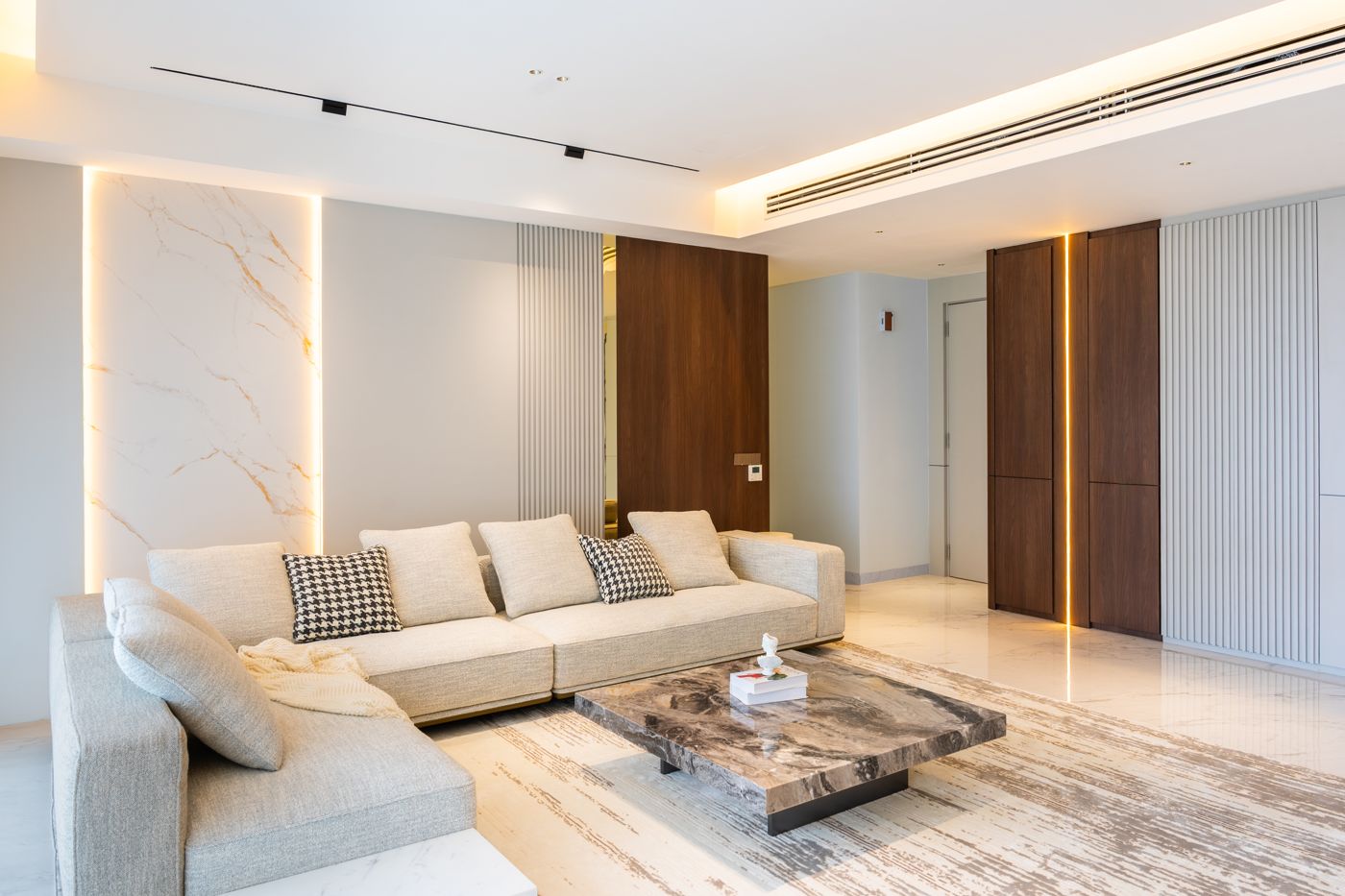
Interior design cost Malaysia at a glance
Design-only service (concept, drawings, space planning): RM3–RM8 per square foot, which for most homes works out to RM15,000–RM70,000 in interior design fees.
Full renovation of a condo, design-and-build: RM120,000–RM380,000 for most projects, with compact units starting near RM80,000 and luxury units reaching RM680,000+.
Terrace house renovation and double storey homes: RM120,000–RM1,000,000+ depending on structural work and finish level.
Bungalow renovations: RM250,000–RM1.8M+, with a full luxury bungalow renovation typically RM680,000–RM1.8M.
Interior renovation costs per square foot: RM100–RM450+, and luxury tier interior finishes start from RM130–RM250+ per square foot.
Designer fees as a share of the project: typically 8–15% of the total project cost, with most established studios quoting 8–12% of the total renovation budget.
Contingency: set aside 10% to 15% of the total budget for unforeseen costs.
The spans look wide because interior design in Malaysia covers everything from a light cosmetic refresh to a back-to-bare-walls rebuild. The sections below narrow the interior design costs to your situation.
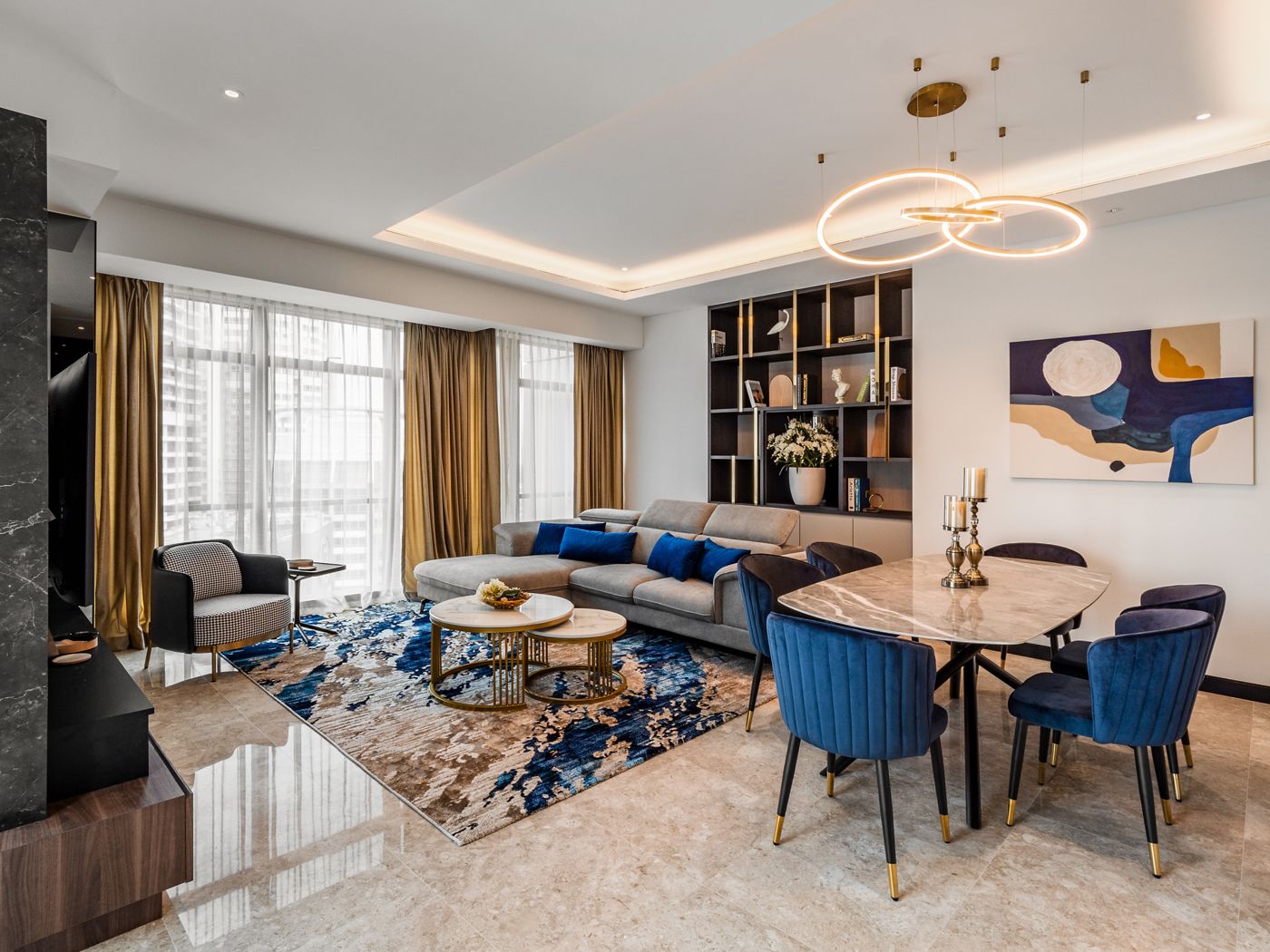
How an interior designer charges in Malaysia
Most interior designers in Malaysia price their work one of four ways, and the model you agree to matters as much as the number on it.
The same project can carry a very different total under two fee structures, so pin down how your interior designer charges before you compare anyone’s pricing.
Design-only service
A design only service covers the thinking: concept, space planning, material selection, technical drawings and a furniture arrangement plan. Interior design services at this scope usually run RM3–RM8 per square foot.
You then hire and manage contractors yourself — which keeps the design fee low but puts timeline management, quality control and managing contractors on your side of the table.
Design-only suits homeowners with renovation experience and firm design expectations. Your interior designer hands over drawings; the build risk stays with you.
Percentage of the project
Under the percentage model, interior designer fees are typically 8–12% of the total renovation budget, and published ranges for interior designer cost in Malaysia stretch to 8–15% of the total project cost at the premium end.
The percentage buys design plus project management: site visits, coordination and supervision through the renovation process.
Hourly rates
An interior designer at junior level bills roughly RM50–RM80 hourly — interior designers charge more as seniority rises, and senior designers at established studios command materially higher rates.
Hourly billing is rare for a full home. It suits consultations and small advisory scopes rather than a full interior design project, and it is a useful gauge of interior designer cost at advisory level.
Design-and-build
A full service designer takes the entire project under one contract: design, approvals, construction management, site supervision and handover. The design fee is often partly offset against the build.
This is the model most luxury work in Malaysia uses, because one team carries accountability — design, project management and construction under one roof — for the final result rather than splitting it between an interior designer and a contractor who never agreed a drawing between them.
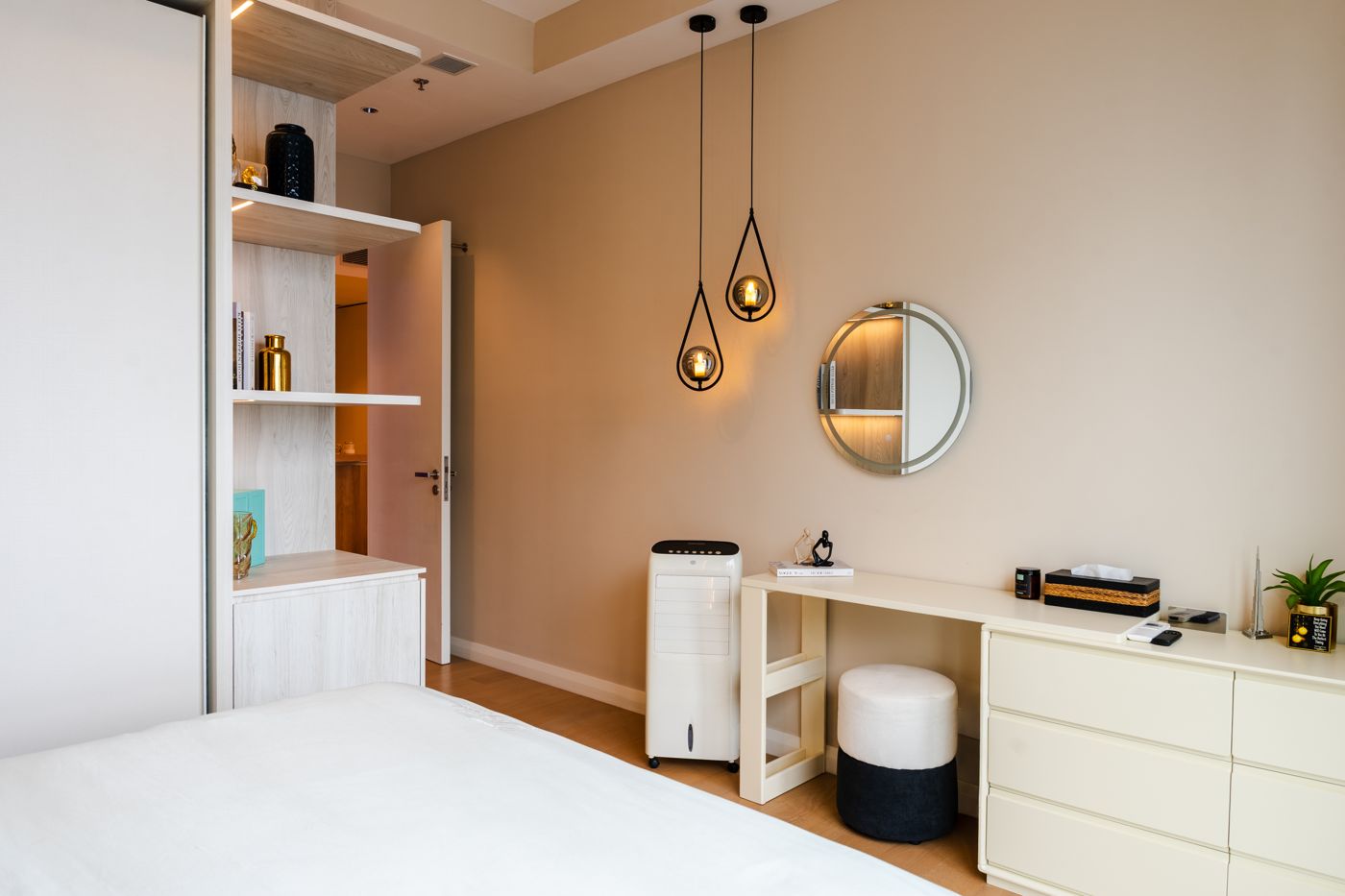
Interior design costs by property type
Property type sets the baseline for interior design costs before a single material is chosen. High-rise work answers to building management; landed work answers to structure and the local authority.
Property size compounds the property type effect: larger properties typically incur more expenses simply through the increased demand for materials and labour.
Condo renovation cost
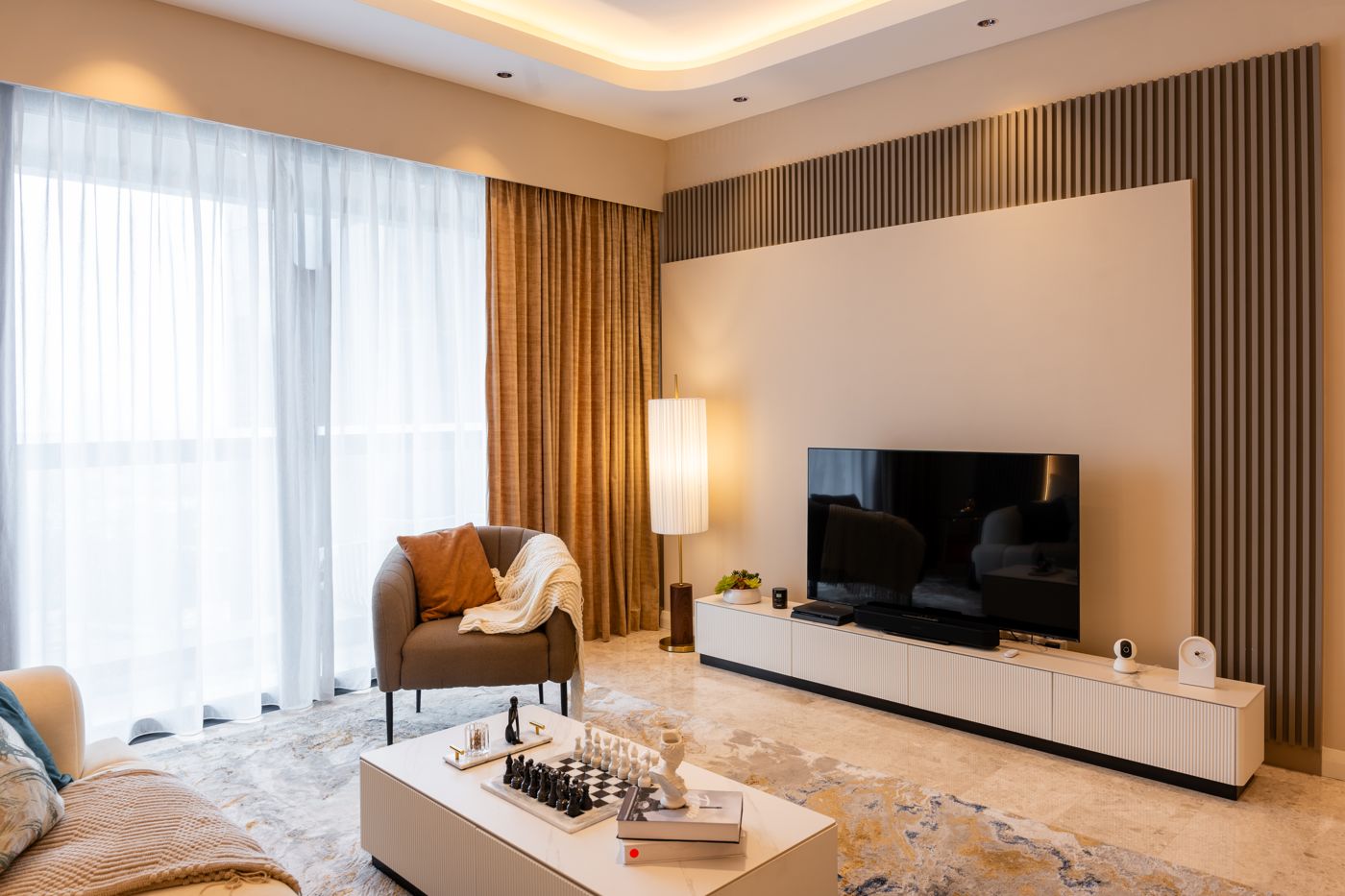
Published guides put condo renovation between RM80,000 and RM680,000+, and full renovation costs for condos cluster between RM120,000 and RM380,000 — our condo interior design guide covers the high-rise specifics behind those numbers.
At the compact end, renovation budgets from RM20,000 exist for small condos taking a cosmetic-only scope. At the top end sit penthouses and multi-unit combinations at RM300,000+ and well beyond.
High-rise projects also carry management permissions and renovation permits, typically RM1,000 to RM5,000, plus deposit and working-hour rules that shape the schedule before renovation work begins.
The upper band is visible in completed residences at TRX Residence and Park Regent.
Terrace and double storey
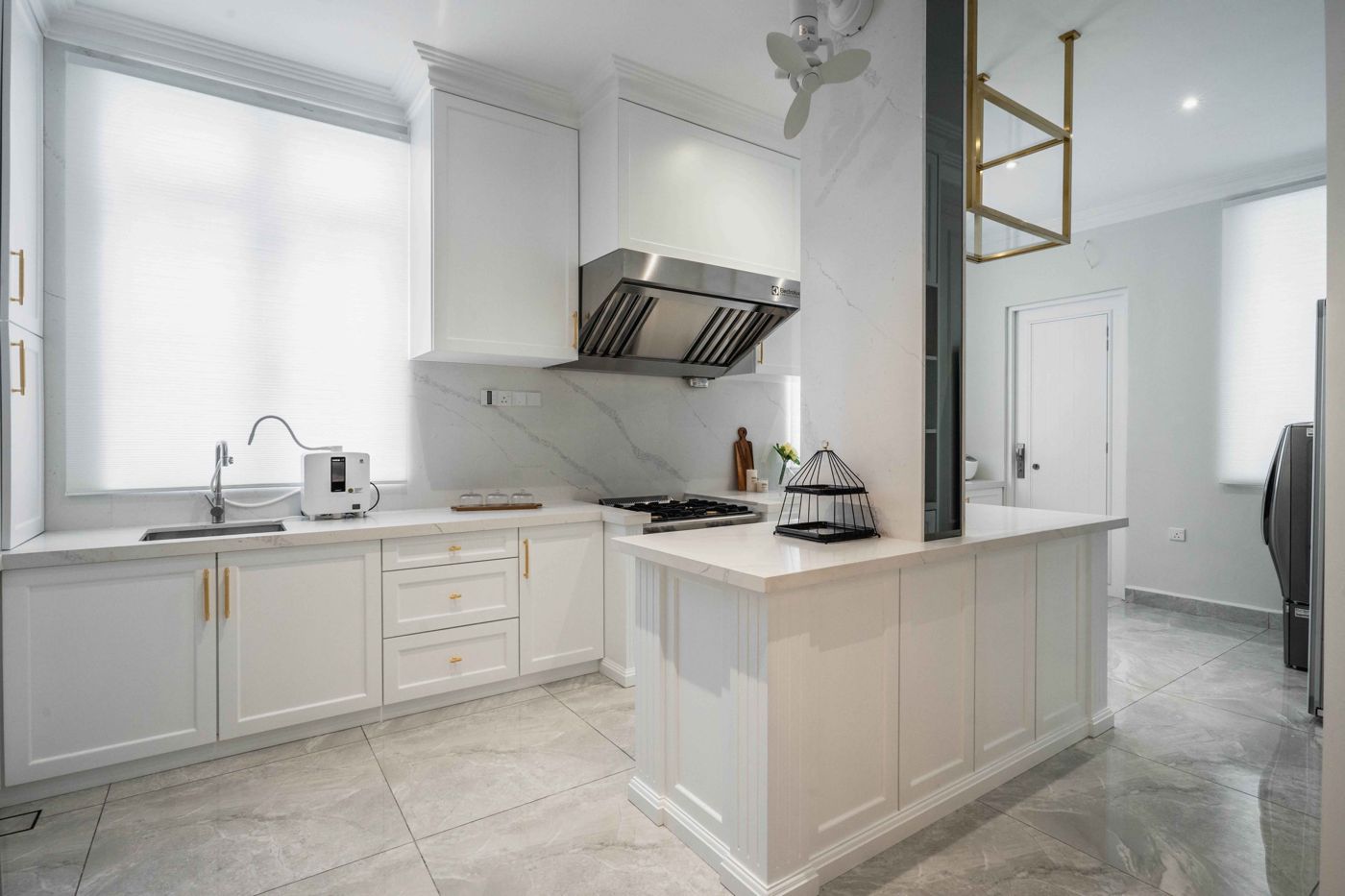
A terrace house renovation typically starts near RM120,000, and double storey home renovations range from RM120,000 to RM1,000,000+ once structural openings, extensions and a full renovation of services enter the picture.
Older terraces often need their services replaced outright — electrical rewiring and new plumbing runs are the two items most homeowners underestimate.
Bungalow
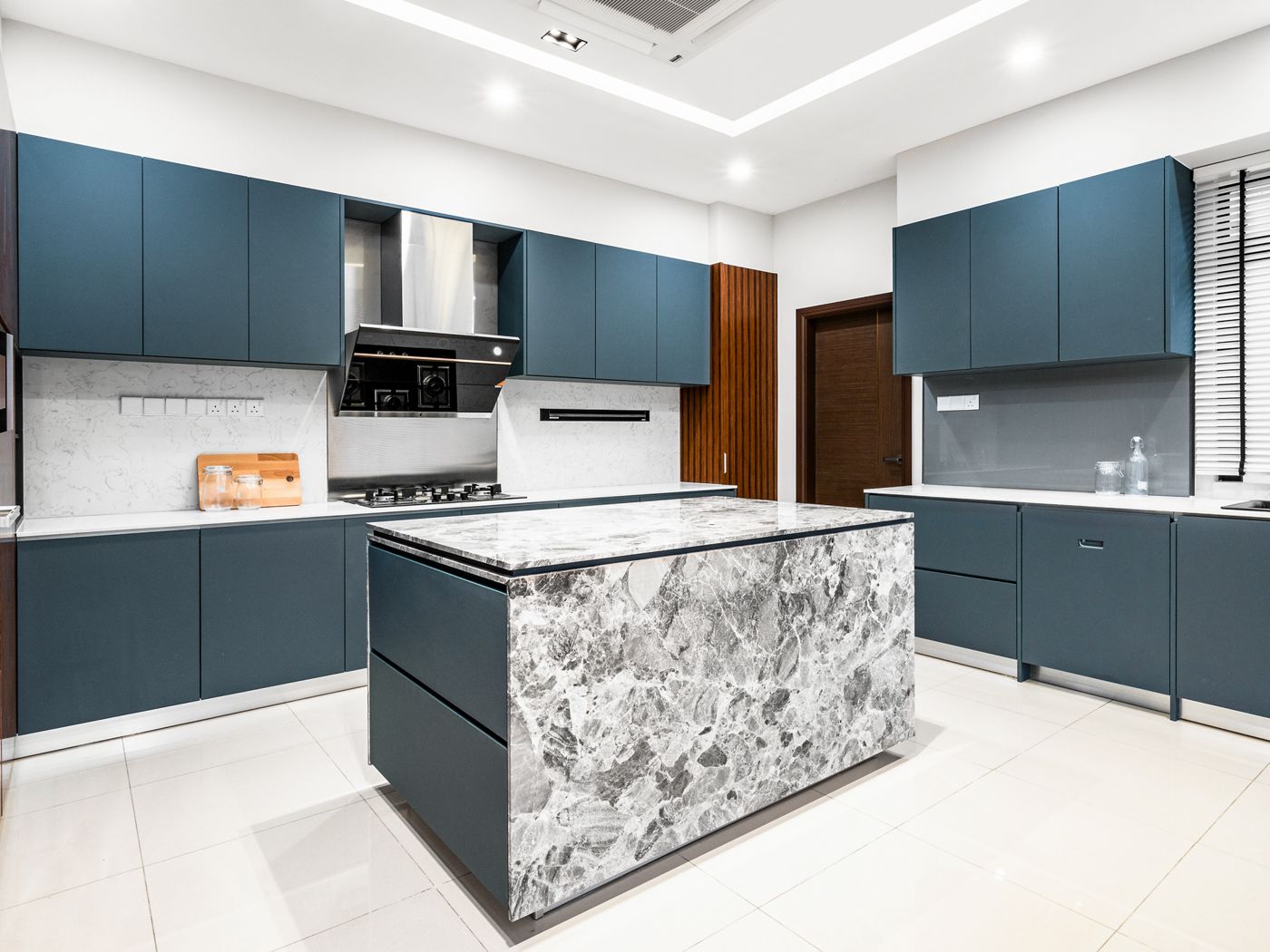
Bungalow renovations can cost RM250,000 to RM1.8M+ depending on scope, and a full luxury bungalow renovation lands between RM680,000 and RM1.8M.
At this level the project behaves like construction: setting-out, wet works, M&E and landscaping interfaces, all under one programme.
For what sits behind those numbers, see our guide to bungalow construction costs in KL, completed work like the Marang bungalow on the East Coast, or the luxury bungalow builder service that delivers design and construction as one contract.
Cost per square foot: the fastest sanity check
When quotes vary widely depending on who you ask, per-foot maths is the honest reference. Interior renovation costs run RM100 to RM450+ per square foot in Malaysia, and luxury tier interior finishes start from RM130 to RM250+ per square foot.
Multiply your built-up area by the band that matches your ambition and you have a defensible envelope before speaking to any interior designer.
A 1,200 sq ft unit at mid-tier finishes sits near RM180,000–RM300,000. The same unit at premium finishes can pass RM400,000 — this is how interior designers in Malaysia sense-check a brief in one line.
For reference against these bands: Blaine Robert Design takes on residential work from RM200 per square foot, with full design-and-build projects starting from RM200,000 — which is why the studio’s work sits in the upper half of the ranges above.
If a quotation lands far below the band, ask what it quietly excludes. That gap is where unexpected costs live.
What drives interior design costs
Scope of work
Project scope is the single biggest lever in any interior design project. Moving a kitchen or bathroom is a services job before it is a design job: re-routing electrical systems and plumbing, new falls, waterproofing and making good.
Hacking and wet works escalate the typical cost fast, which is why an honest conversation about renovation scope before construction begins is worth more than any negotiation after it.
Materials and finishes
Material selection is where identical layouts diverge by six figures. Premium finishes can increase renovation costs by 25–35%, and premium materials — imported tiles, Italian stone in the Antolini tier, engineered surfaces from Cosentino — carry logistics and wastage as well as unit price.
Material selection is also where an interior designer earns the fee — and where interior designers in Malaysia separate themselves: substituting intelligently where it will never be read, and spending where hands and eyes actually land. The design fee buys judgement here as much as drawings.
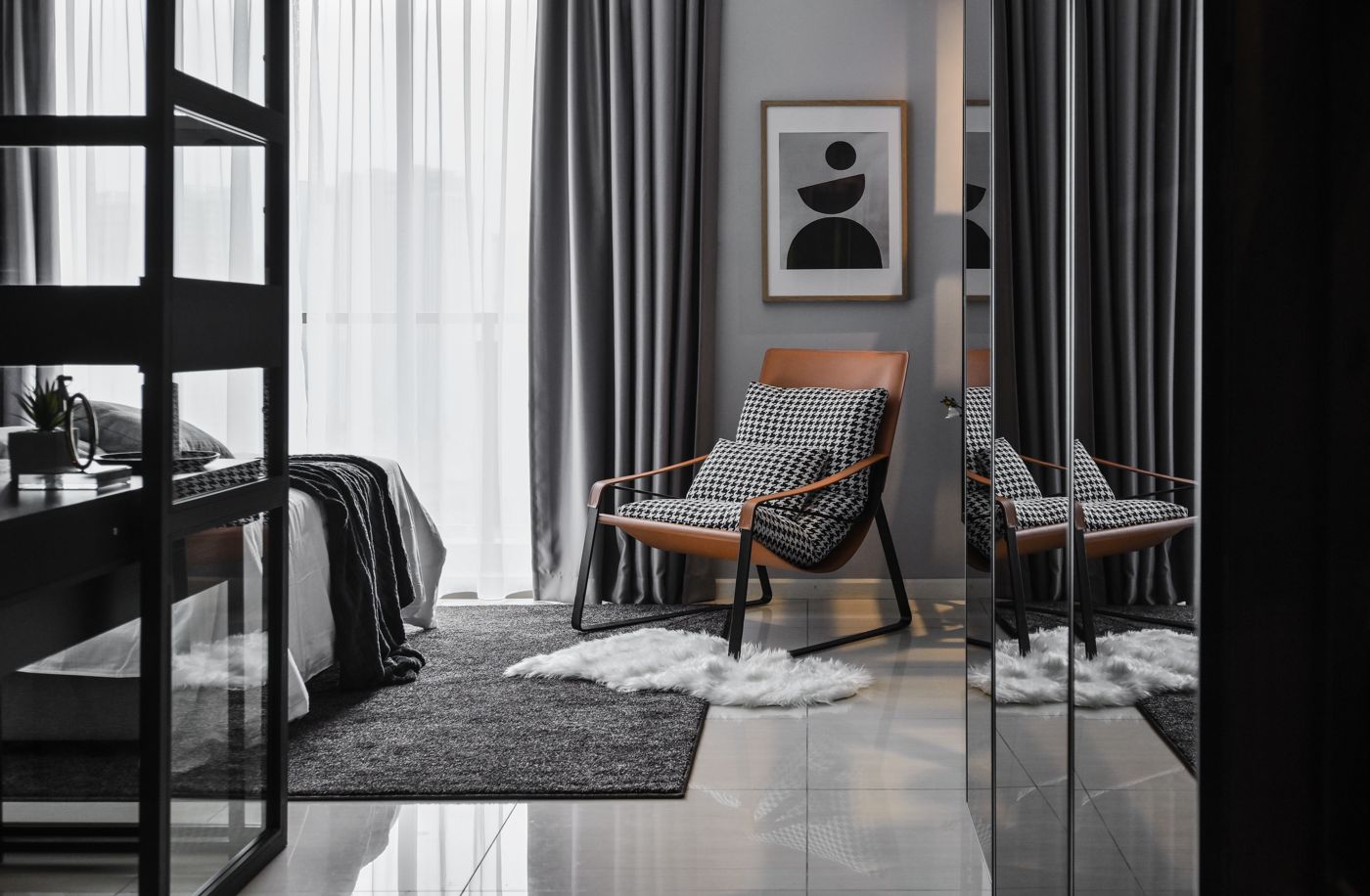
Custom joinery and feature walls
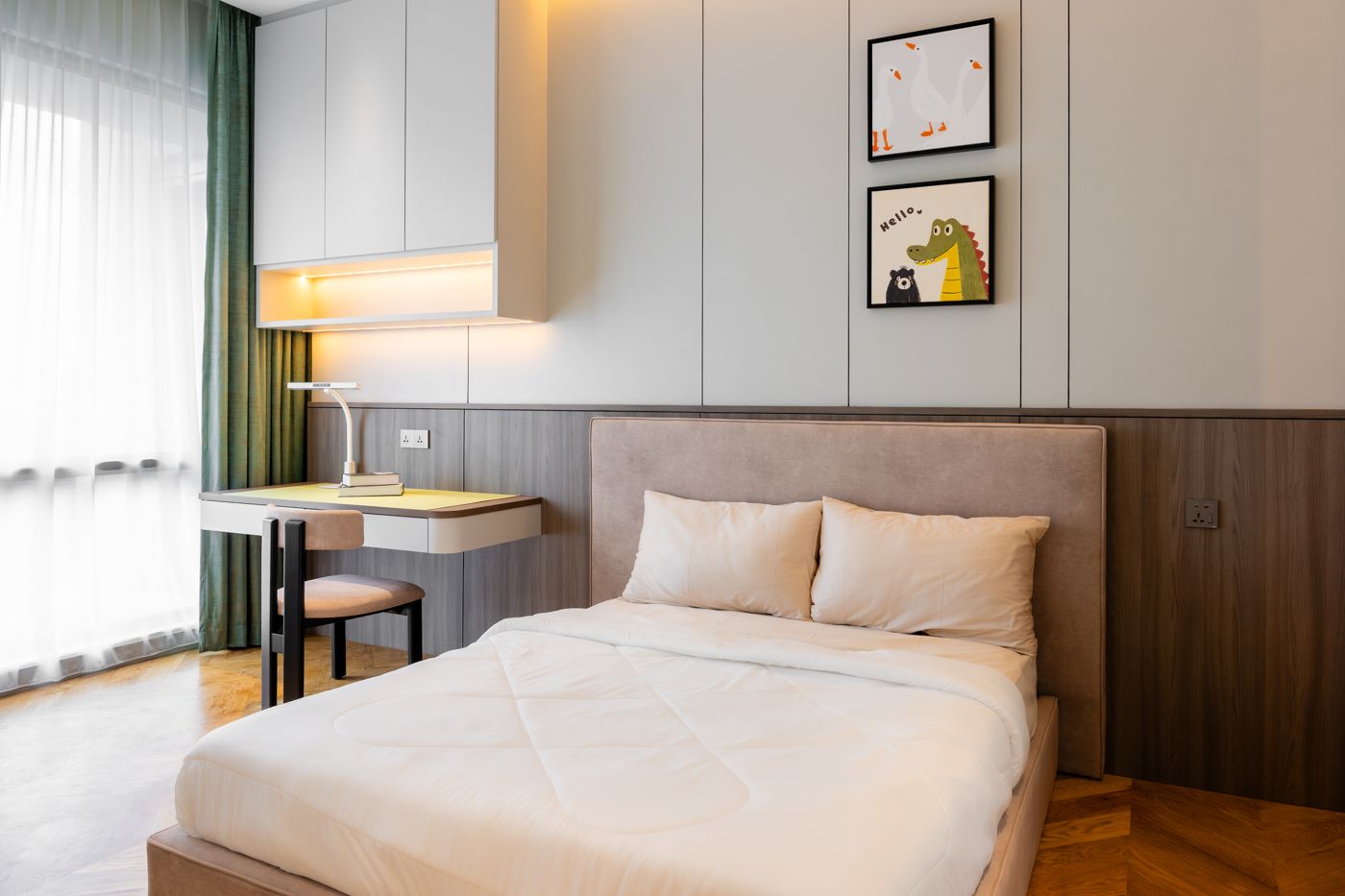
Custom joinery — a master bedroom wardrobe run, a media wall, a book-matched feature wall — is priced by the metre and by complexity, and quantity drives final costs more than complexity does. Our bedroom design guide shows what that joinery looks like in twenty real Malaysian homes.
A feature wall in stone or fluted timber can anchor a room for a fraction of the cost of re-specifying every surface around it — though a second feature wall rarely doubles the effect.
Balance built-ins against loose furniture: pieces from houses like Minotti, Poliform or B&B Italia hold their place in a scheme — and their resale value — in a way generic built-ins never will.
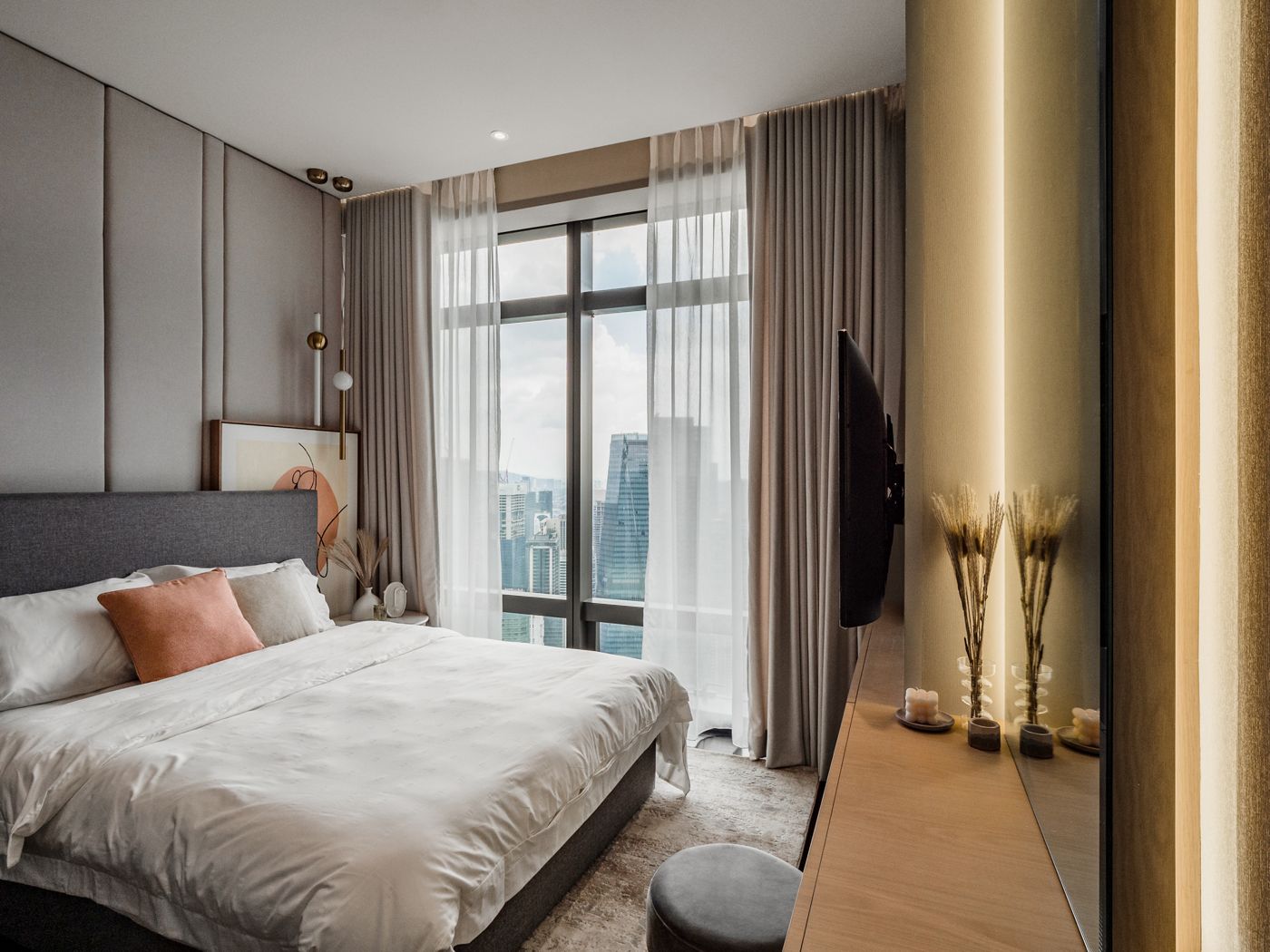
Systems and comfort
Air conditioning is rarely just replacement. Concealed ducting and VRF systems from the Daikin tier change ceiling design, so air conditioning positions should be fixed at drawing stage, not on site.
Lighting design — architectural coves through to decorative pieces by Flos or Tom Dixon — and smart home integration on platforms like Lutron or Control4 price by scope.
In kitchen design and bathroom design, the appliance and sanitaryware tier moves interior design costs by more than the carcass package around it: Gaggenau or Sub-Zero on one side, Villeroy & Boch or TOTO on the other.
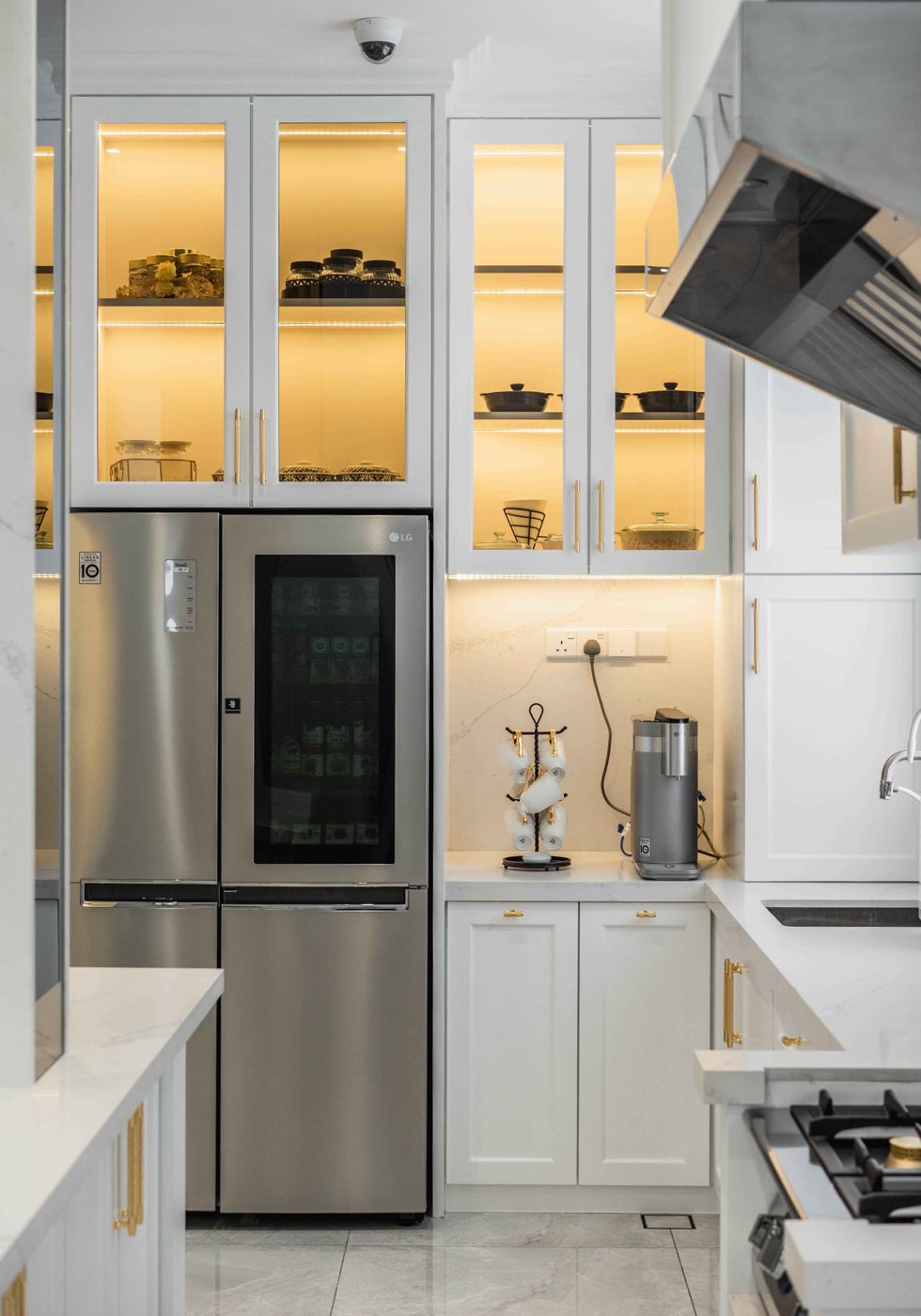
Hidden costs and the contingency buffer
Hidden costs are rarely hidden on purpose; they are the interior design costs a one-page quotation has no line for.
The recurring ones: management permissions and renovation permits (typically RM1,000–RM5,000), re-routing electrical systems and plumbing once hacking reveals what the slab actually holds, disposal and protection works, and making good to areas the renovation work touches on its way through — all of it real renovation cost that never appeared in the headline number.
Two habits protect Malaysian homeowners. First, insist on a detailed bill of quantities — a detailed bill converts a lump sum into checkable line items and prevents hidden costs from surfacing later as variation orders.
Second, hold a contingency buffer of 10% to 15% of the total budget for unforeseen costs, and treat it as insurance rather than spending room.
Most interior designers in Malaysia working at the premium end will say the same thing: unexpected costs are a function of how little investigation happened before renovation work begins.
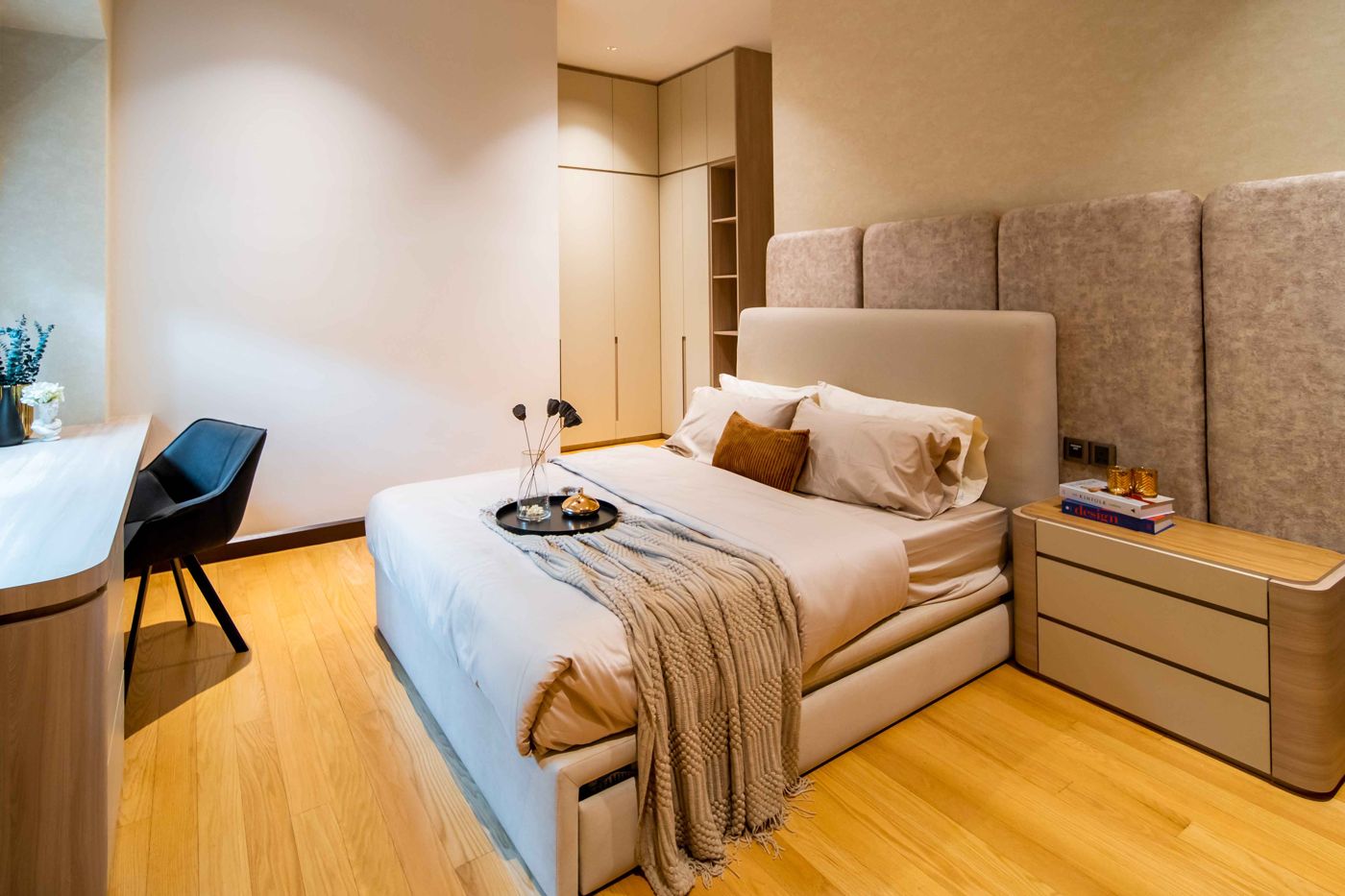
Is hiring an interior designer worth the fee?
Industry guides estimate that hiring an interior designer saves 15–25% on project costs — through trade pricing, substitution within the material selection, and sequencing that avoids rework.
A professional interior designer also prevents costly mistakes that add 20–30% to costs: wrongly positioned wet works, the wardrobe that blocks a window, the ceiling that meets the new air conditioning at the wrong height.
Published guidance suggests hiring an interior designer is recommended for renovations over RM25,000. Below that, the design fee struggles to repay itself; above it, the mathematics shift quickly.
The return is not only avoided error. Better space planning and space optimisation raise what a home does with the same floor area, and designer fees often pay for themselves there alone — our complete home interior design guide walks that sequence room by room.
For investors, a well-designed renovation can increase rental rates by around 20%. A coherent scheme protects resale value too — property value follows finish quality more closely than floor area at the premium end, and interior designers in Malaysia see that play out at every handover.
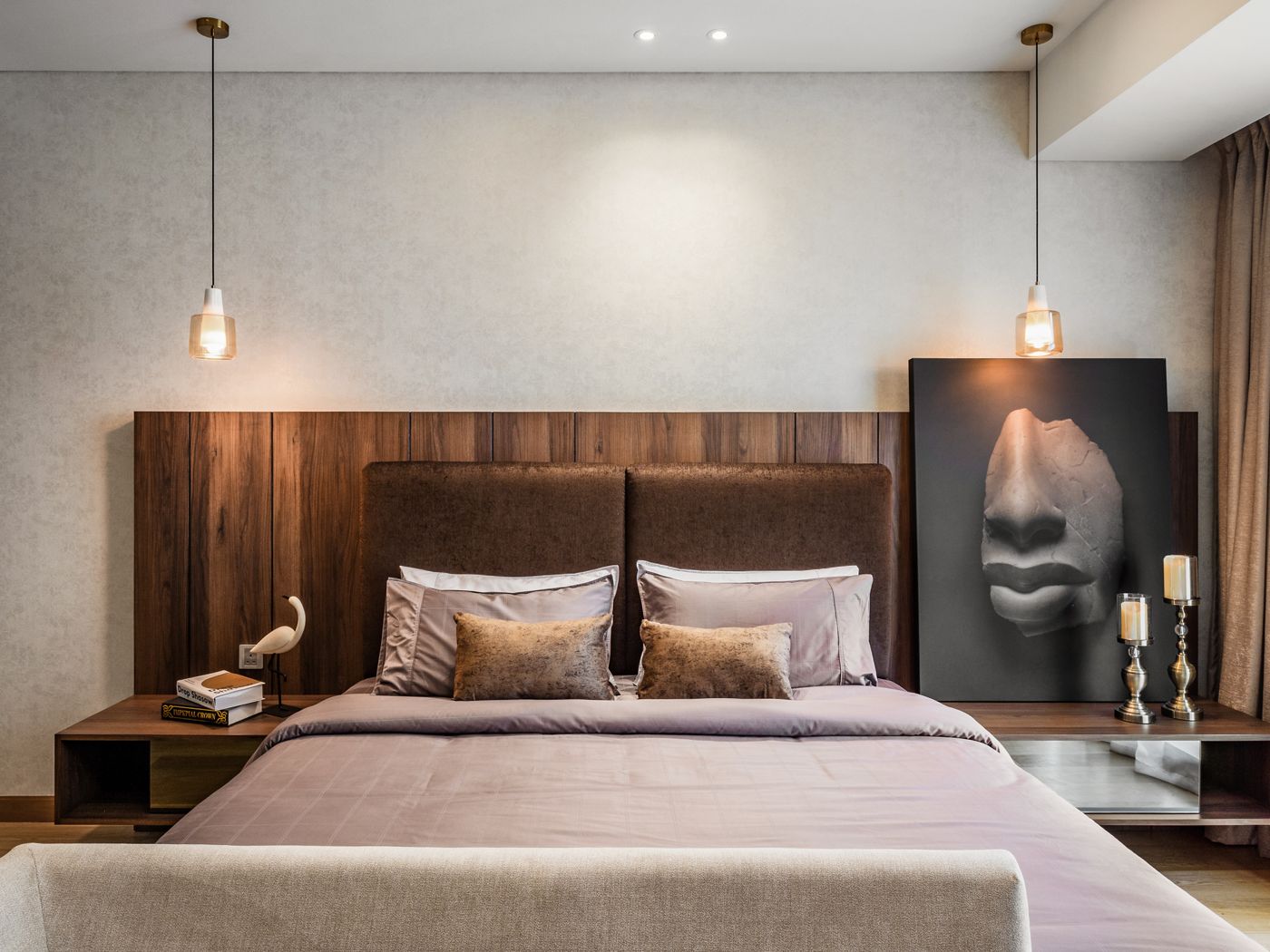
Keeping interior design costs under control — without cheapening the result
Keeping interior design costs under control at the luxury end is about precision, not shortcuts, and the published levers are real.
Using local materials can save 30–50% against imported equivalents where the difference will never be read. Renovating during off-peak periods can save 5–10% on trades. Getting 3–5 quotes can reveal price variations of 30–40% for the same drawn scope — meaningful only when compared against the same detailed bill of quantities.
One published lever deserves honesty: hiring a freelance designer can reduce costs by 25–40%, but the saving buys thinner project management, less site supervision and no construction team standing behind the drawings.
For a RM40,000 refresh that trade may be sensible. Where budget constraints sit against genuinely irreplaceable finishes, accountability is the thing you are actually buying — costly mistakes do not invoice themselves as such.
Whichever route you take, read real homeowner reviews of completed projects. Real homeowner reviews predict the renovation process better than any portfolio page ever will.
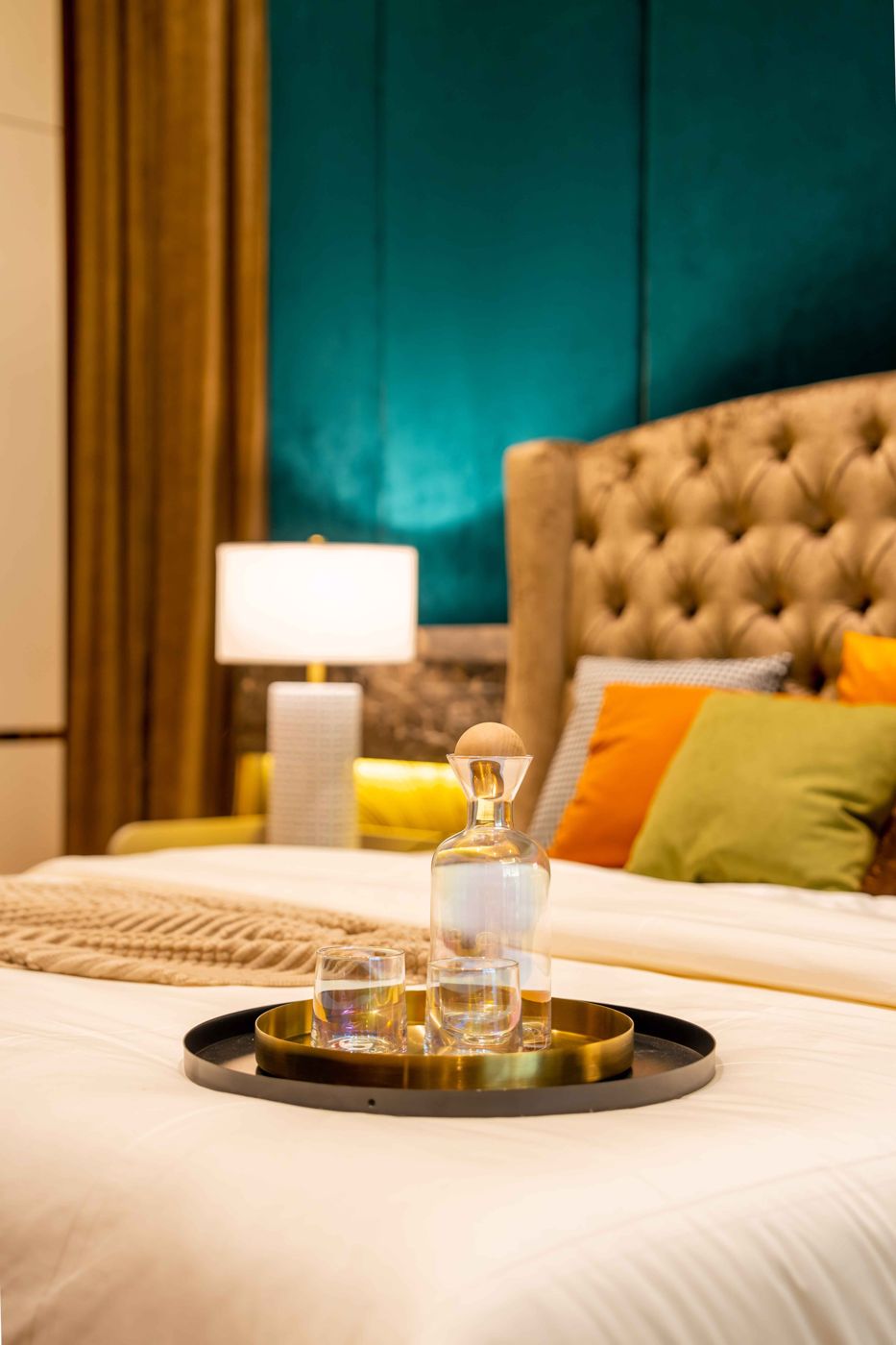
How to set a realistic budget — and calculate it
A realistic budget starts from the property, not the wishlist.
Measure the built-up area. Multiply by the per square foot band that matches your finish ambition — that is the core of the interior design costs you are planning for. Add interior design fees under your chosen model, then add the 10–15% contingency on top.
That simple calculation answers what you should expect to pay before any consultation — and it exposes any quotation that could only hit its number by shrinking the id scope after signing.
Then let the renovation process inform the plan: project scope and design first, drawings and approvals, procurement, construction, joinery and finishes, then handover — with project management running through all of it. Project duration for a full condo interior typically runs three to five months of build after approvals; landed work runs longer.
Costs vary significantly between design-only consultations and full design-and-build solutions, so decide which service you are buying before comparing interior design fees across studios. Most homeowners who feel misquoted were comparing two different products.
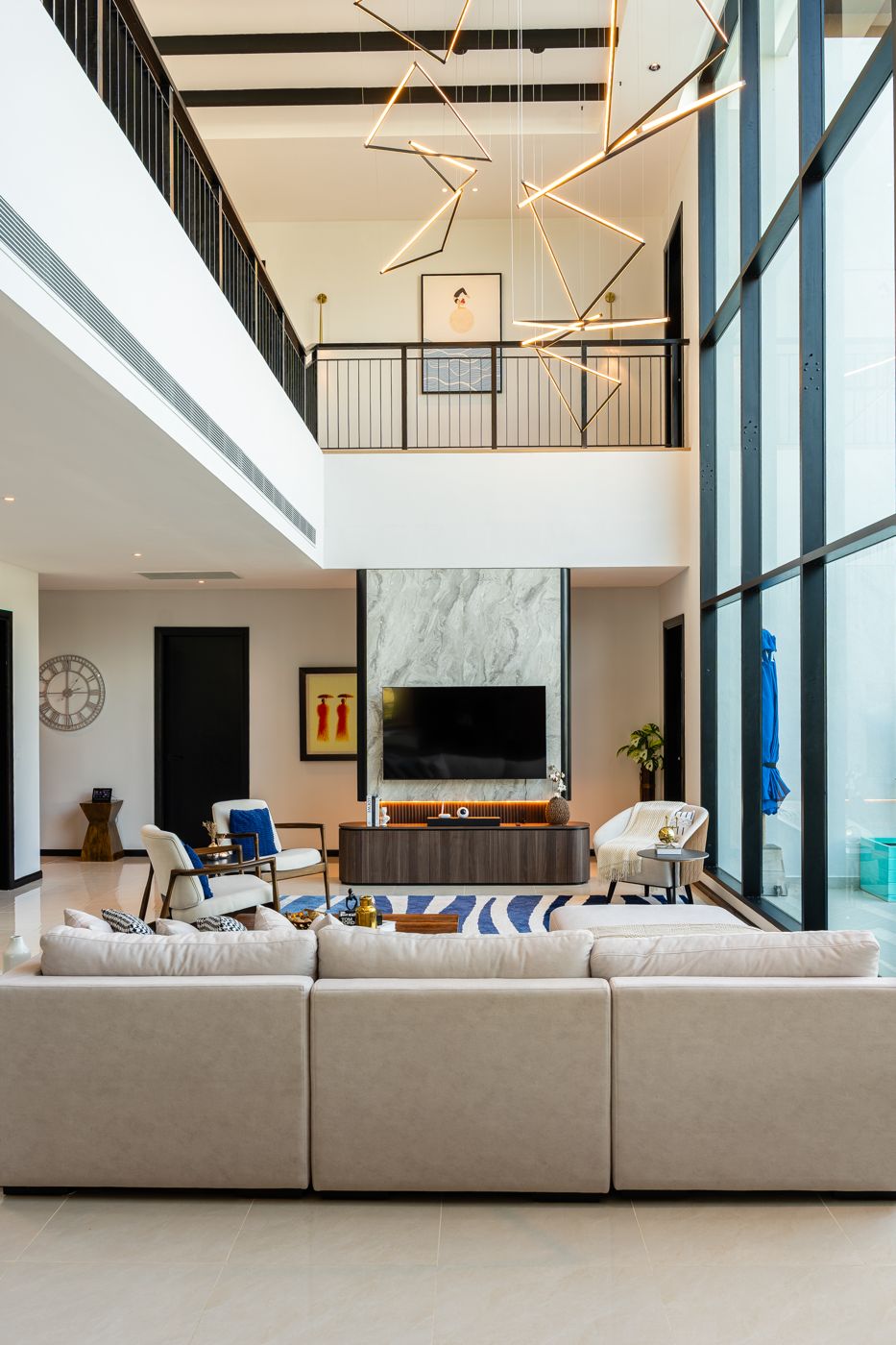
Interior design cost Malaysia: frequently asked questions
How much does interior design cost in Malaysia?
Interior design fees alone range from RM15,000 to RM70,000+ for most homes, or RM3–RM8 per square foot on a design only basis. With construction included, full projects in Malaysia typically range from RM120,000 for a condo to RM1.8M+ for a luxury bungalow.
For Malaysian homeowners the honest answer is your own area multiplied by the RM100–RM450 per square foot band, plus interior design fees and contingency.
How much do interior designers charge in Malaysia?
As a share of the works, designer fees run 8–15% of the total project cost, with most established studios at 8–12%. Hourly, a junior interior designer bills around RM50–RM80; interior designers in Malaysia fold full-service fees into the overall design-and-build contract rather than itemising them separately.
What is a normal budget for interior design?
It moves with property type. For a mid-sized condo, most full renovation budgets land between RM120,000 and RM380,000. For landed homes, RM250,000 upward is the workable planning floor, and premium projects pass RM1M without extravagance.
Anything materially below those bands is buying a narrower scope, not a better price — the interior designer cost is the visible part; the works behind it are where renovation budgets are actually spent.
What is the 70/30 rule in interior design?
Allocate roughly 70% of the budget to permanent works — layout, joinery, finishes, systems — and 30% to the changeable layer of loose furniture, lighting and styling. It keeps money in the elements that are costly to redo and flexibility in the ones that are not; our living room design guide shows the split applied to a real Malaysian scheme.
What is the 3-5-7 rule in interior design?
A composition guideline: group decorative objects in odd numbers of three, five or seven, which the eye reads as natural rather than staged. It is one of the few rules of interior design in Malaysia or anywhere else that has no price attached.
Design-only or design-and-build — which costs less overall?
Design-only shows the smaller invoice; design-and-build usually produces the lower total project cost in Malaysia for complex work, because coordination failure between a separate interior designer and contractor is the most expensive line no quotation ever shows.
For simple cosmetic scopes, design-only with a good contractor is perfectly rational.
When is hiring an interior designer worth it for smaller projects?
Above roughly RM25,000 of renovation work, an interior designer tends to repay the design fee through avoided mistakes and better procurement — professional guidance priced against the size of the decision. Below that, a paid consultation plus a disciplined contractor is often the right weight of advice for the size of the decision.
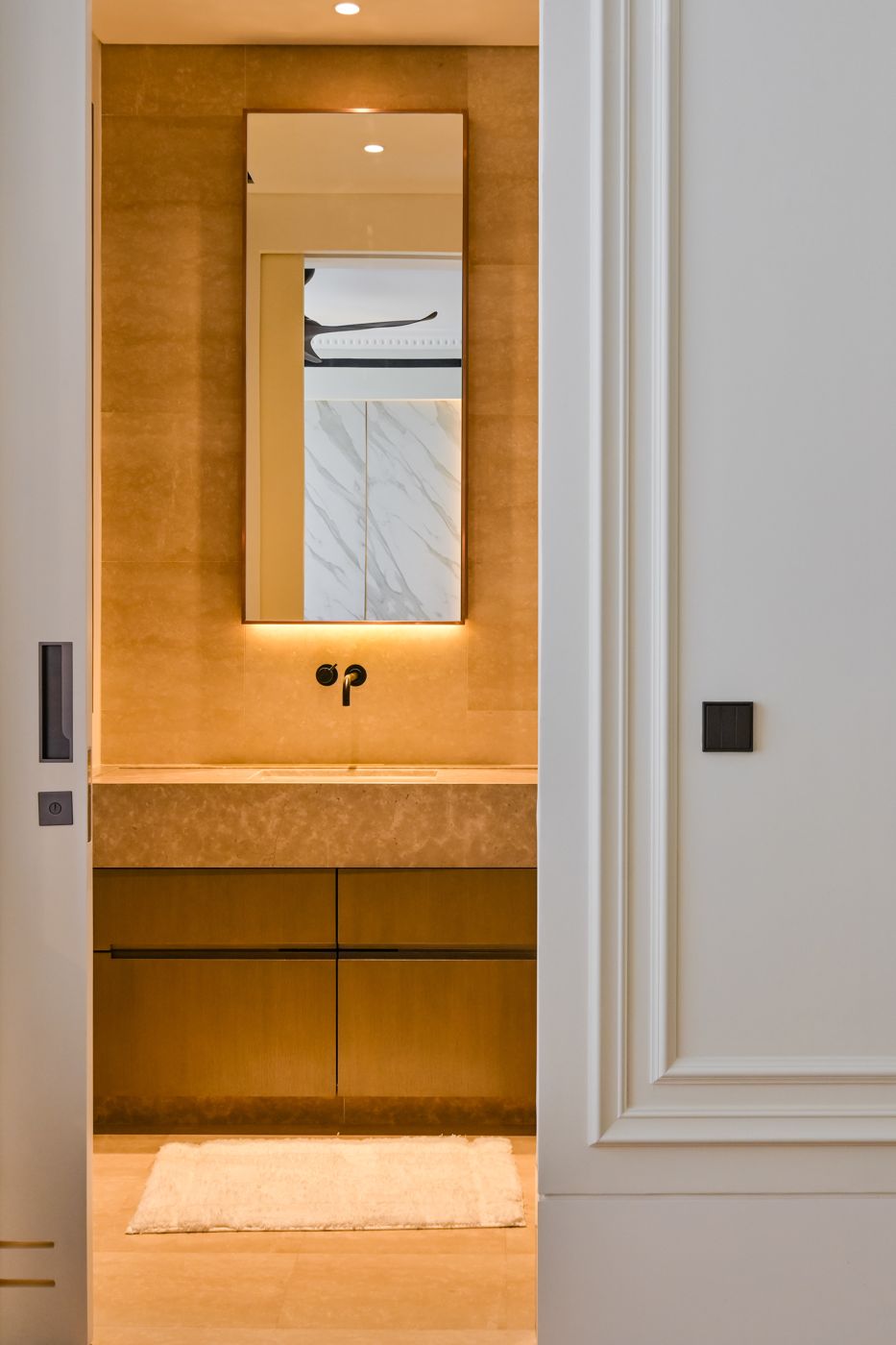
Interior design cost Malaysia, in the end, rewards the same discipline everywhere: fix the property type and project scope first, hold the contingency, and make every ringgit either permanent or portable.